Solar savings in Glasgow, Edinburgh, Aberdeen and Dundee
Solar works in all four cities. The east coast, including Edinburgh, Dundee and Aberdeen, tends to be drier and sunnier than the west, where Glasgow sees more cloud and rain. Even so, roof direction, shading and how much power you use at home usually matter more than which city you live in.
Last updated: 5 November 2026.
Reviewed by the Scottish Energy Efficiency team.


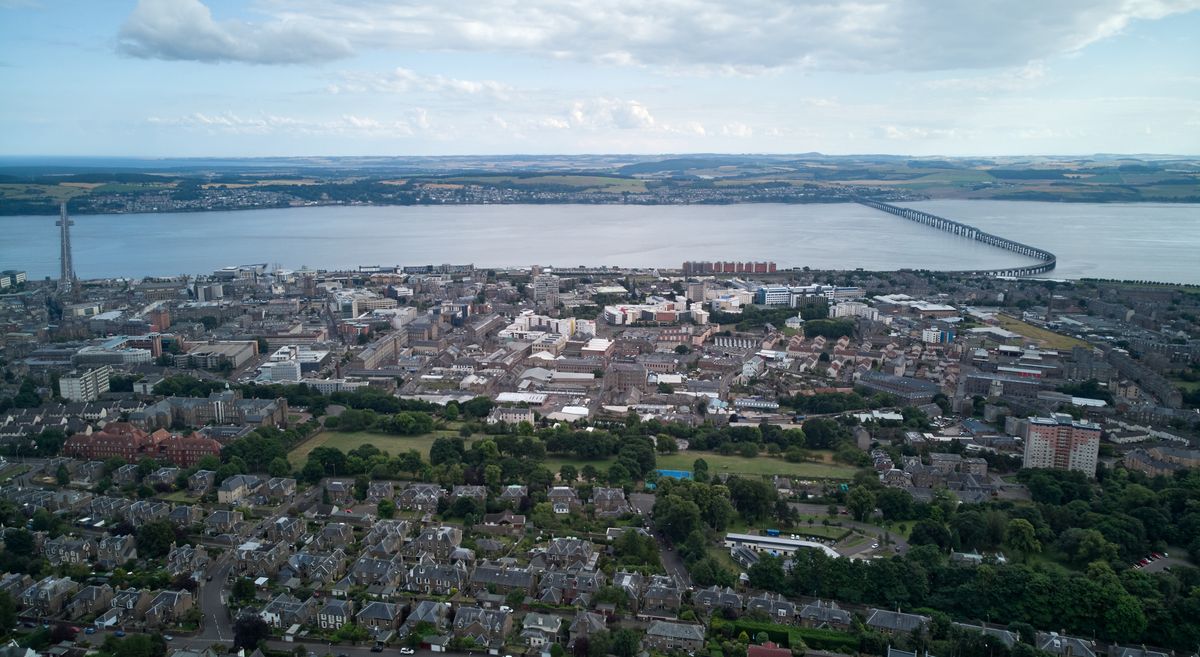
Does location within Scotland change solar output?
Yes, but less than most people assume. The MCS estimate uses a postcode-based sunshine zone, so a quotation already reflects where you live. Differences between the four cities are generally smaller than the difference between a well-oriented, unshaded roof and a poorly oriented or shaded one.
Scotland’s northern latitude means long summer days and short winter days. The further north you are, the bigger that seasonal swing. Most annual generation arrives between spring and early autumn wherever you live.
Panels respond to daylight, not heat, and cool conditions help them run efficiently. Bright but cool Scottish days can be productive.
What should Glasgow homeowners know?
Glasgow sits in the wetter west of Scotland, so it tends to see more cloud than the east coast. Solar still generates on overcast days, at a lower rate. Many Glasgow homes are tenements or terraces, so shared roofs and conservation areas are common things to check before a survey.
Glasgow is served by SP Energy Networks. Your installer handles the notification to the network operator as part of the installation.
Red and blond sandstone tenements dominate many Glasgow neighbourhoods, while the outer suburbs have more semi-detached and detached houses with simpler roofs. A survey will confirm which slopes are usable and whether nearby buildings cast shade at different times of year.
What should Edinburgh homeowners know?
Edinburgh is on the drier east side of the country and generally gets more sunshine than Glasgow. Much of the city centre is a conservation area or World Heritage Site, and many buildings are listed, so planning consent is more often needed. Suburban houses are usually more straightforward.
Edinburgh is also served by SP Energy Networks. Tenement flats are common, so read our solar savings by house type guide for how shared roofs work.
If you live in a conservation area, ask your installer about panel placement on rear-facing slopes, which are often treated more favourably than slopes visible from the street.
What about Aberdeen and Dundee?
Aberdeen and Dundee are both on the east coast and are served by SSEN in the north of Scotland. Dundee is often described as one of Scotland’s sunnier cities. Aberdeen is further north, so its summer days are longer and winter days shorter, widening the seasonal swing in generation.
Granite and sandstone houses in both cities often have slate roofs, which installers handle routinely. Exposed coastal sites may need attention to wind loading, which a survey will check.
Wherever you are, a battery helps smooth seasonal swings by cycling cheap overnight power through the darker months. See our solar battery savings guide.
| City | Network operator | Things to check |
|---|---|---|
| Glasgow | SP Energy Networks | Cloudier west coast, tenements, conservation areas |
| Edinburgh | SP Energy Networks | Listed buildings, conservation areas, tenements |
| Aberdeen | SSEN | Larger seasonal swing, coastal exposure |
| Dundee | SSEN | East coast conditions, slate roofs |
Frequently asked questions
Is solar worth it in the west of Scotland?
It can be. Output is a little lower in cloudier areas, but savings depend more on roof direction, shading and how much electricity you use at home.
Who is my network operator?
SP Energy Networks covers central and southern Scotland, including Glasgow and Edinburgh. SSEN covers the north, including Aberdeen and Dundee. Your postcode decides which.
Do you cover my area?
Yes. Solar Savings Scotland serves homeowners across Scotland, and installation is carried out through our MCS-certified partners.
More solar savings guides
How do you get a solar savings quote?
Fill in the form and we will model the arithmetic and send a written quotation from our MCS-certified partner.